
First Aid Has Been Updated
First aid guidance has recently been updated in line with the latest Resuscitation Council UK recommendations.
But these changes aren’t just for the sake of it. They’re based on years of research, real-life data, and global collaboration looking at one key question: what actually saves more lives?
The Resuscitation Council regularly reviews new evidence from across the world – analysing what works, what doesn’t, and where outcomes can be improved. When something better is identified, guidance is updated to reflect it. Simple as that.
The 2025 updates focus on making first aid even more effective in real emergencies – helping people act faster, with more confidence, and giving casualties the best possible chance of survival.
These changes affect how first aid is taught and what you’re expected to do in an emergency.
You know how we recommend updating your knowledge annually? This is why.
First aid isn’t static. It evolves. It improves. And staying up to date means you’re ready to give the best possible care when it really matters.
What's Changed?
Here’s a summary of the things that have changed.
If you are concerned about any of these things, or wish to know more just give us a call, or sign up to one of our monthly refresher courses where you can ask questions and practice your life saving skills.
1. Treat Bleeding First
You must prioritise catastrophic bleeding above everything else.
Act immediately by:
- Applying direct pressure
- Packing the wound
- Using a tourniquet*
First aid guidance now places bleeding control at the start of the primary survey: DR<C>ABCDE.
*Standard Emergency First Aid at Work (EFAW) and First Aid at Work (FAW) courses do not usually cover wound packing or tourniquets. You can add catastrophic bleeding training on request.
2. Update Your Primary Survey Checks
The primary survey now includes two additional checks:
- Disability – assess brain function (look for confusion, signs of stroke, or low blood sugar)
- Exposure – examine the whole body for injuries
These updates help you identify serious conditions faster.
The rest of the primary survey remains the same—and still plays a critical role.
3. Follow the Latest CPR Guidance
Make these key updates to your CPR approach:
- Call 999 and get an AED immediately
- Start CPR if the casualty shows agonal (gasping), panting, or laboured breathing
- Place AED pads correctly: position the left pad under the left armpit (move breast tissue if needed using the back of your hand)
Key message: If in doubt, start CPR.
4. Changes for Babies and Children
- Paediatric first aiders should do 15 compressions, not 30 compressions
- Different techniques depending on age – 1 hand for a child (1-18, depending on size), and two thumbs (the encircling technique) for babies under 1 year.
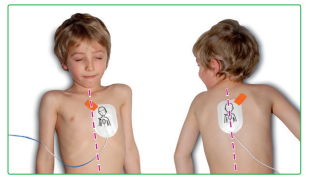
- AED pad placement on children and babies has changed, with the front pad being placed to the left of the centre of their chest.
5. Respond to Choking in Babies
Use the two-thumb technique when delivering chest thrusts to a choking baby.
This method improves control and effectiveness during treatment.
6. Stay Aware of New and Updated Conditions
Keep your knowledge up to date with these important changes:
- Anaphylaxis – You can now use a nasal adrenaline spray. This is a very new treatment, and many healthcare professionals may not know about it yet. It is currently approved for people weighing 30kg and above, so you’re unlikely to use it with infants or in most primary schools.
- Asthma – Some people now use MART inhalers (typically purple). These inhalers treat symptoms and help prevent attacks, so patients may use them during an asthma attack.
- Heart attacks in women – Symptoms don’t always include chest pain. Women may show different warning signs, so you must consider a wider range of symptoms when assessing a casualty.
7. Apply These Small but Important Changes
Make these updates to your everyday first aid practice:
- Apply ice to bruises for up to 20 minutes (always wrap it in a cloth or tea towel)
- Replace “compression” with comfort when treating sprains and strains—keep the casualty comfortable and allow the injury to swell if needed
Why You Should Refresh Your First Aid Training Every Year
First aid guidance changes—and your skills can fade over time.
Experts regularly update best practice, so you need to stay current. You can read the latest updates from the Resuscitation Council.
Even small changes can make a big difference in an emergency.
Refresh your training regularly to:
- Stay up to date with the latest guidance
- Build your confidence
- Practise your skills so you can act quickly and think clearly under pressure
Join one of our Refresher Courses
Our refresher sessions are designed to:
- Cover the latest updates
- Give you hands-on practice
- Let you ask questions and build confidence