Splat is 12! Here's why that matters to you...
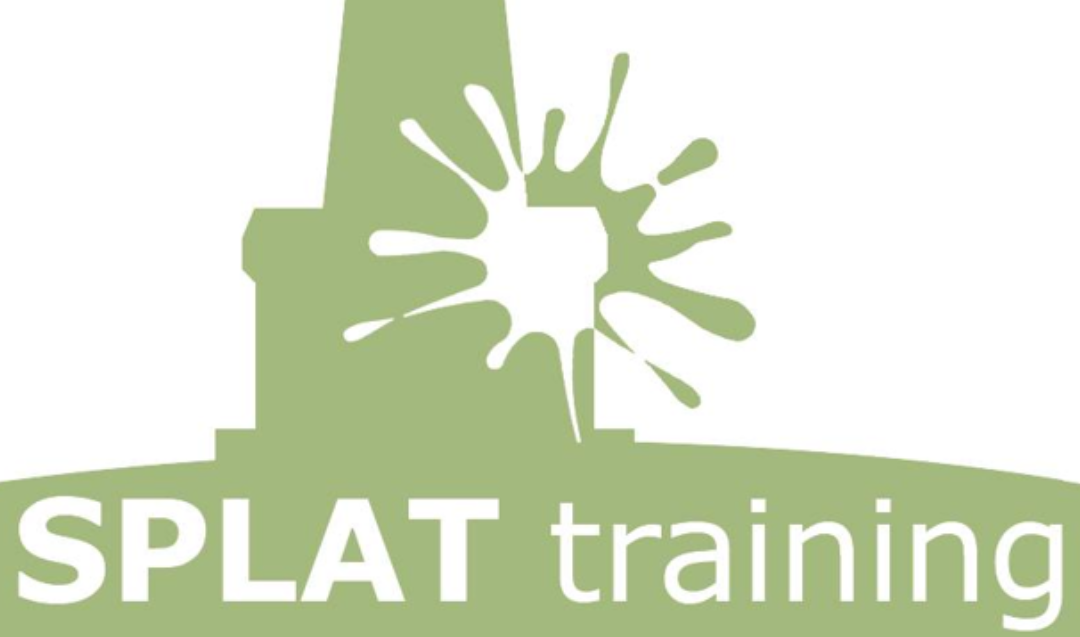
The image is our first ever logo! ... Oh, how things change!
Twelve years ago, Splat didn’t start in a boardroom, with a business plan and investment behind it.
It started at a kitchen table.
Amy had just been made redundant. A single mum, figuring out what came next. There wasn’t a grand strategy – just a decision to build something that actually worked. For real people. In the real world.
Evenings were spent quietly working once the little one was in bed. Printing exam papers. Planning sessions. Cleaning manakins. Getting things ready.
Behind the scenes, Meg was helping where she could – sorting social posts, picking up printer ink, and providing free childcare whilst Amy went out and made the magic happen, making learning stick.
That’s how Splat began. Not polished. Not perfect. But grounded, practical… and human. That was 12 years ago. It has been 12 years of learning that sticks, and is just getting stickier!
From one or two learners… to teams of all shapes and sizes
In those early days, courses were sometimes just one or two people.
And they mattered just as much as the bigger ones.
Because even then, we knew something important:
👉 People don’t learn well when they’re bored, talked at, or ticking boxes.
👉 They learn when they’re involved, they’re curious and they feel something.
Over time, Splat grew – not by trying to be everything to everyone, but by doing good work, consistently.
That meant:
- Delivering full courses and tailored sessions
- Supporting small teams and large organisations
- Creating experiences people actually remember
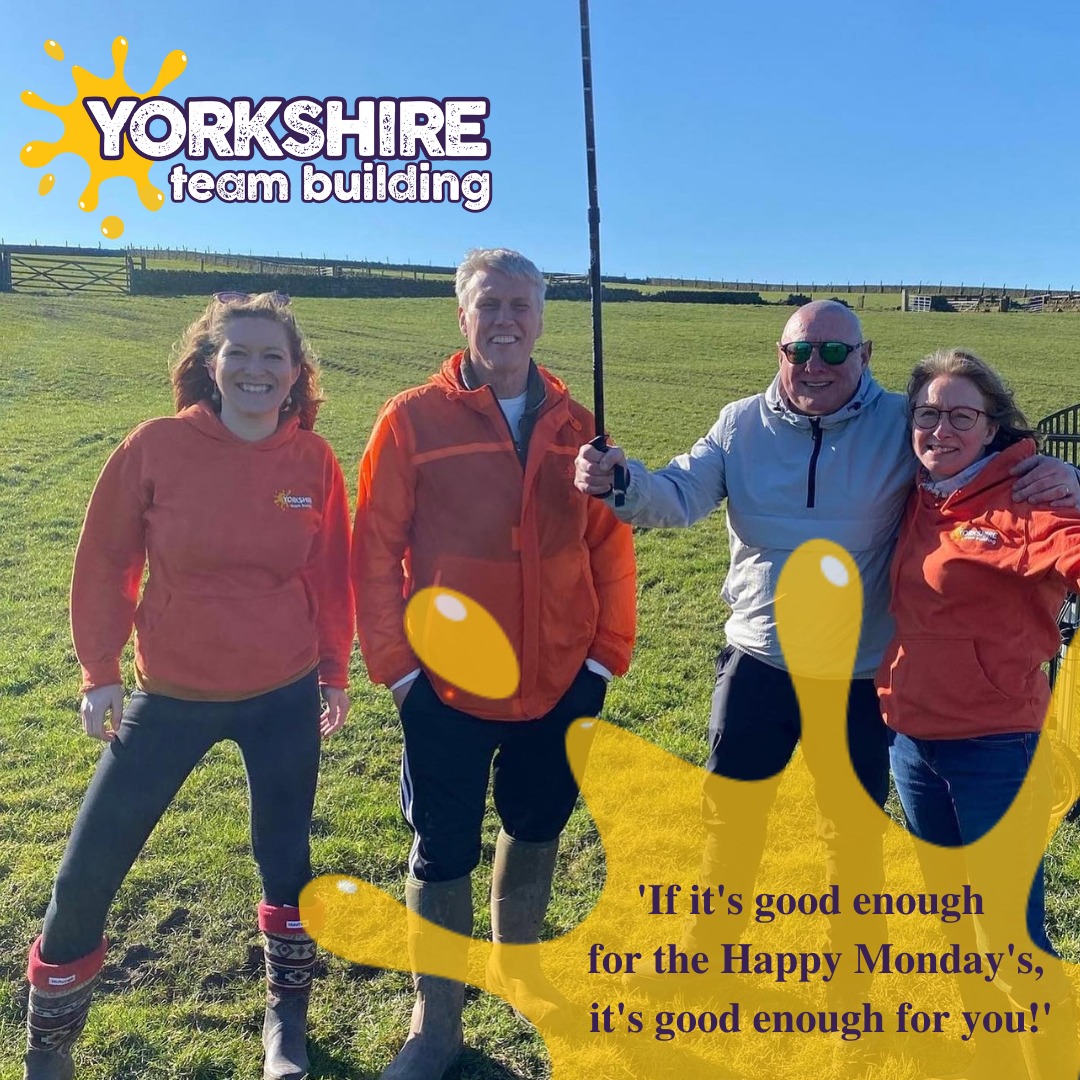
From training rooms to the fields, we’ve delivered everything from structured learning to sheepherding team building (yes, really).
We’ve worked with incredible people along the way – including Bez and Shaun Ryder and their families from the Happy Mondays – alongside hundreds of brilliant teams who trust us to help their people grow.
Serious skills. Taught playfully.
Somewhere along the way, we realised something that’s shaped everything we do now:
👉 The best learning doesn’t feel like “training”.
It feels like curiosity, like trying things out, like getting it a bit wrong… and then getting it right.
In other words – it feels like play.
But not play for the sake of it.
Everything we design follows a simple structure that helps learning actually stick.
🧩 Connection
Before anything else, people need to feel comfortable enough to engage.
So we don’t jump straight into “content”. We start by helping learners connect – to what they already know, to each other, and to the topic.
That might be through a question, a story, or a simple activity that gets people thinking.
Because when people feel safe and curious, they’re far more open to learning.
📚 Content
Of course, the knowledge matters.
But instead of long slides and lectures, we bring content to life in ways people remember – through stories, props, visuals, and simple, relatable examples.
We keep it clear, relevant, and we keep it human.
🧠 Concrete Practice
This is where it really comes to life.
Learning isn’t something you watch – it’s something you do.
So we build in opportunities for people to practise in a hands-on, low-risk way. Roleplays, challenges, scenarios, team activities – all designed to mirror real-life situations.
This is where confidence builds, things start to click, and people realise, “I can actually do this.”
🎯 Conclusion
We don’t just finish and move on.
We take time to reflect, to share, and to make sense of what’s been learned.
What worked? Could you do anything differently? What will you take back into your role?
Because that’s the moment learning turns into action.
Every course we run moves through these stages – often more than once.
Not because we want to tick a box, but because we’ve learned over 12 years that this is what makes learning land.
Serious skills. Taught playfully. Designed to stick.
What hasn’t changed (and never will)
A lot has changed in 12 years.
But here are some of the things that most definitely haven’t:
Caring about the details.
Adapting to the people in front of us.
Believing learning should be human – not tick-box.
Putting real effort into getting it right.
Whether it’s one learner or a whole organisation, that mindset stays the same.
What has changed — and why that matters to you
The world our customers operate in today looks very different to 12 years ago.
Teams are under more pressure. Roles are changing faster. Expectations are higher.
And the kind of learning that used to be “good enough”… isn’t anymore.
People switch off. They forget. It doesn’t stick.
That’s why Splat hasn’t stood still.
We’ve evolved what we deliver, how we deliver it, and how we support organisations — with a clear focus:
👉 Sessions that engage people
👉 Training that actually changes behaviour
👉 Learning that sticks
For our customers, that means:
- Working with a provider who understands change
- Not getting outdated, off-the-shelf solutions
- Getting something shaped around real, current challenges
- Getting learning people will actually remember — and use
Built on resilience. Driven by people.
Splat was built in uncertain circumstances.
That’s not just part of our story – it’s part of how we work.
We understand what it means to adapt. To figure things out. To keep going when things aren’t straightforward.
And that’s exactly what we bring to the organisations we support.
So why does 12 years matter?
Because it means:
We’ve been trusted – again and again.
We have delivered for a wide range of people and teams, learned what works (and what doesn’t), and grown without losing what makes us, us.
But more importantly…
It means we’ve had 12 years to refine how people actually learn best.
What’s next?
We’re not interested in standing still or simply celebrating the past.
The next chapter for Splat is about going even further with what we know works:
> Learning through play.
> Focusing on real-world skills.
> Experiences that engage people – not just train them.
Because the world will keep changing.
And the way people learn needs to keep up.
Splat is 12.
Serious skills. Taught playfully.
Experienced enough to be trusted. Adaptable enough to stay relevant.