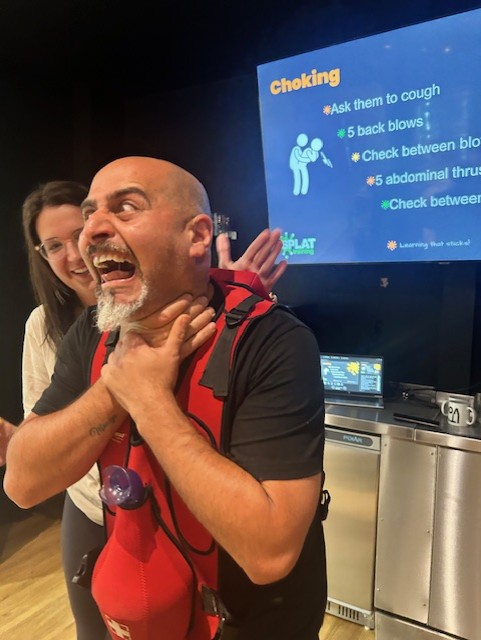
At Splat Training we’re often asked about LifeVac devices during our first aid courses. They’ve been in the news, on social media, and many learners have seen them in restaurants, childcare settings, or even motorway service stations. It’s no surprise – LifeVac report that their device has already helped save thousands of lives worldwide, including many children.
So, should I buy one?
Here’s our take.
LifeVac in Brief
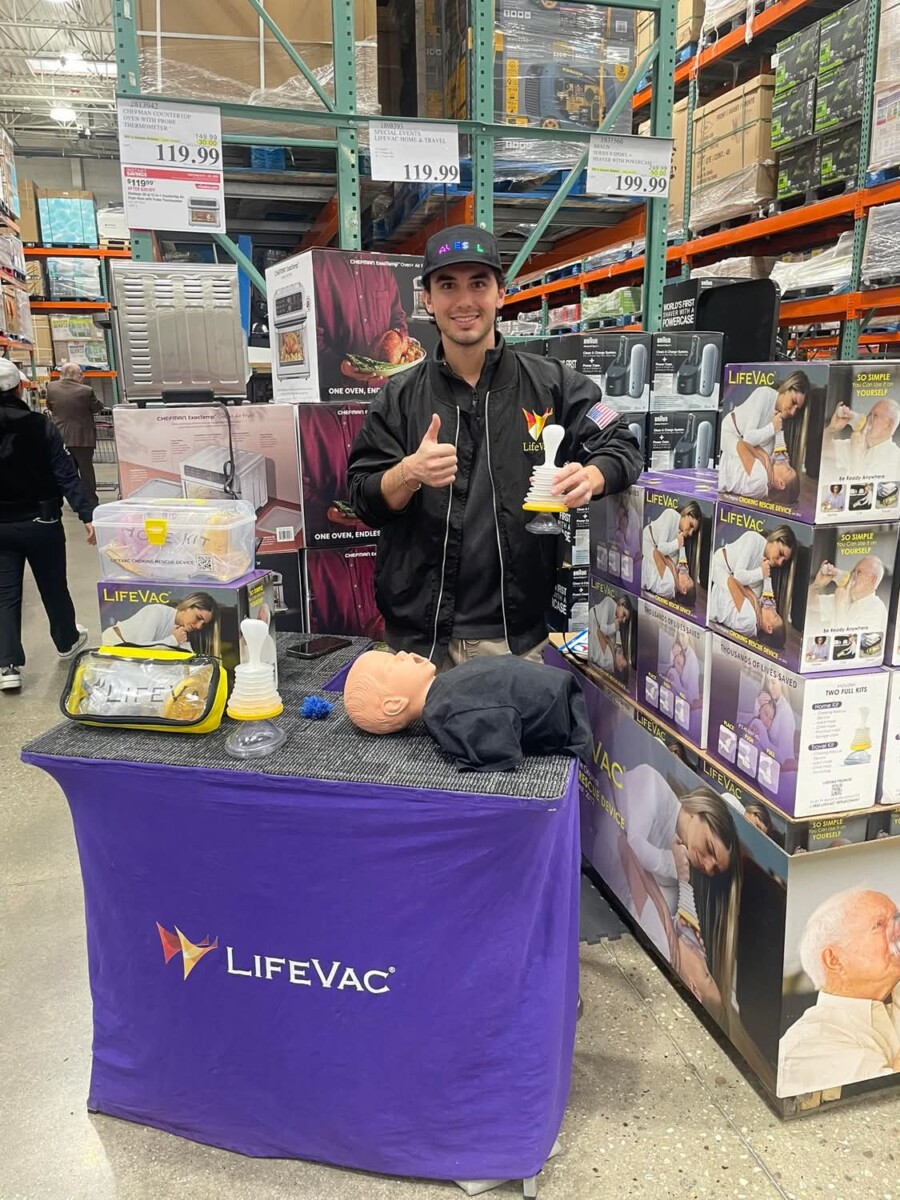
LifeVac is a suction device designed to clear the airway if someone is choking and standard techniques aren’t working. The idea is simple: place the mask over the person’s face, press down, and pull up to create suction, with the aim of removing the obstruction.
It’s being used in schools, nurseries, care homes and public spaces – and there are plenty of reported success stories.
However, it’s important to be aware that there are now many adverts on social media for very cheap anti-choking devices that look similar to LifeVac but are counterfeit or unbranded copies. The UK government has issued a safety alert warning that these unregulated devices may fail to work correctly or could even worsen a choking incident if used.
If you are considering purchasing a device, it’s vital to ensure it is a genuine LifeVac product, bought directly from LifeVac or an authorised supplier, and that it carries the appropriate UKCA or CE marking. Cheap copies cannot be guaranteed to be safe.
What We Teach at Splat
For now, our training will continue to focus on the tried and tested choking sequence, which must always be attempted first, even if an anti-choking device is available.
If an adult or child is choking and cannot cough, breathe or speak:
-
Ask them to cough.
-
Give up to 5 back blows between the shoulder blades, checking after each one to see if it has worked.
-
If that doesn’t work, give up to 5 abdominal thrusts (standing behind the person, fist just above their belly button, pull sharply inwards and upwards).
-
If this hasn’t worked, call 999 and alternate 5 back blows and 5 abdominal thrusts until the object comes out or the person becomes unresponsive.
-
If they become unresponsive, start CPR.
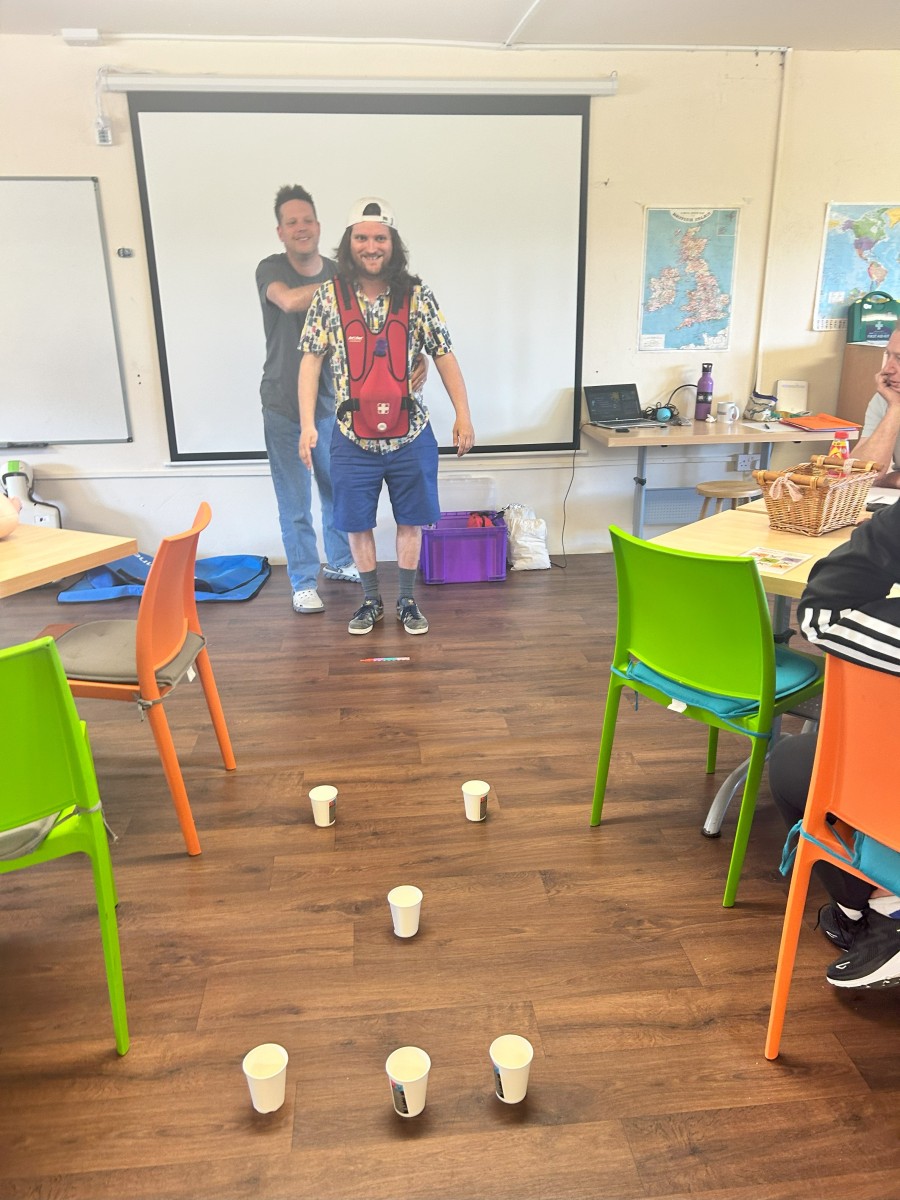
For infants under 1 year, the technique is slightly different – back blows and chest thrusts are used instead of abdominal thrusts. Use two fingers on the chest and thrust upwards.
This is the sequence that is evidence-based, officially recognised, and taught worldwide.
The UK government states that anti-choking devices are intended to be used only after Basic Life Support protocols have been attempted and failed. This means back blows and abdominal or chest thrusts must always be tried first.
Thinking about LifeVac in Your Nursery?
We know lots of nurseries are curious about LifeVac devices – and with good reason. They’re being used in schools, care settings, and public places, and there are reports of them saving lives. But if you’re considering getting one for your nursery, here are a few friendly pointers:
-
Buy carefully – yes, you can buy a LifeVac in the UK, but make sure it’s a genuine, regulated device. The government has warned about counterfeit copies sold online and on social media, often at very low prices. If you choose to buy one, purchase directly from LifeVac or an authorised supplier.
-
It doesn’t replace training – even if you have a LifeVac, your staff must still be confident in standard choking first aid. Choking first aid must always be taught because you may find yourself in a situation where a device is not available, or where standard techniques are needed first.
-
Training matters – LifeVac is not included in standard first aid training, and the Resuscitation Council UK advises that first aiders should only use equipment they have been trained to use. If you do purchase a LifeVac, staff should access training directly from LifeVac.
-
Check your policies – make sure any device is included in your nursery’s first aid and safeguarding plans. Be clear on who can use it, when it should be used, and how it should be stored.
-
Official guidance matters – currently, the Resuscitation Council UK does not support the use of suction devices like LifeVac as part of standard choking first aid. Their guidance states that first aid providers should:
-
Check scene safety
-
Call 999
-
Only use equipment or medications they have been trained to use
-
Our advice: if you do decide to get a LifeVac, treat it as a backup tool, not a replacement. Keep your team trained, confident, and ready to use the proven methods that save lives every day.
Final Thoughts...
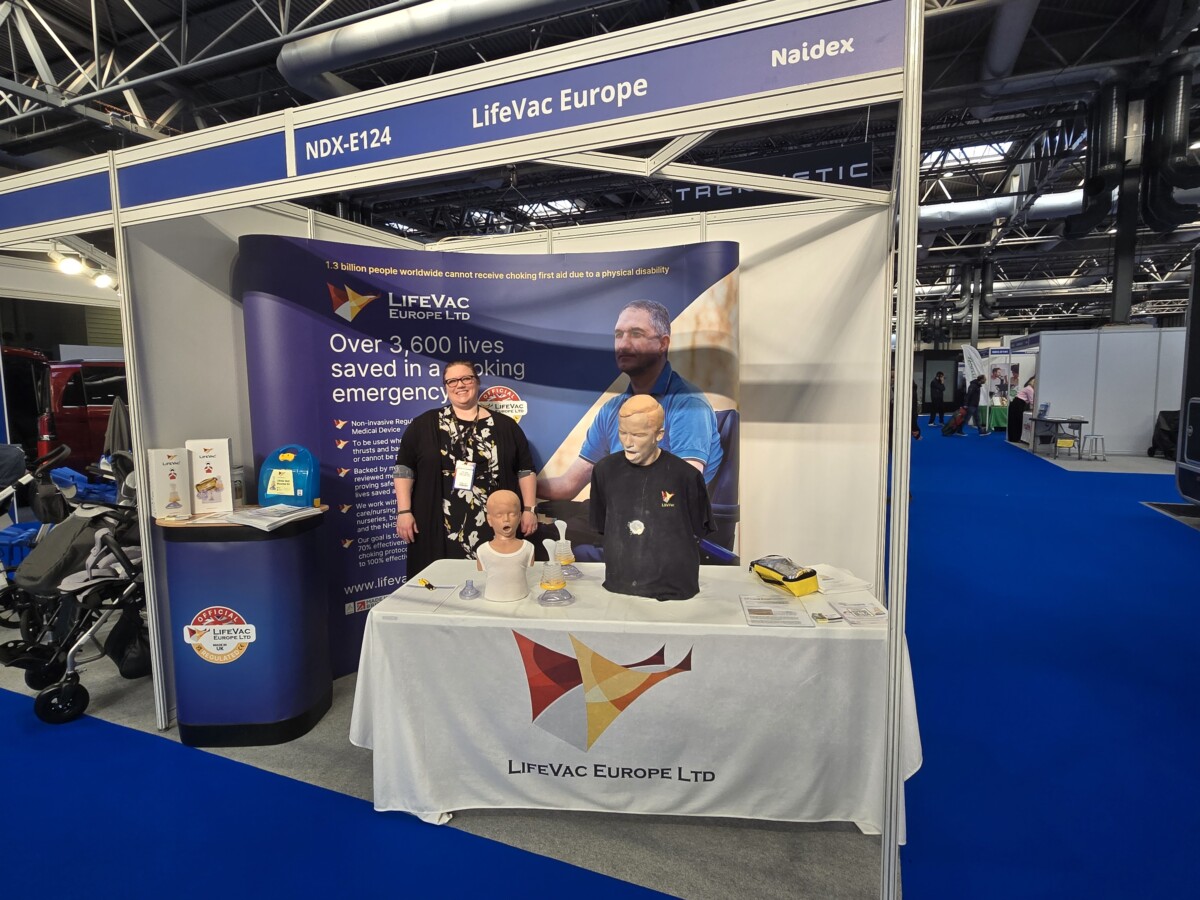
We know LifeVac is out there, and we know it’s saving lives. But until national guidance changes, we won’t be training learners to use it. Our focus remains on giving you the confidence and skills to use proven choking first aid techniques, because you may not always have access to a device when you need it.
We’ll keep an eye on the research and updates from the resuscitation councils, and if things change, you’ll hear it from us.
In the meantime, remember: back blows and abdominal or chest thrusts save lives. Quick action is what matters most. You don’t need specialist equipment to be a lifesaver.


© Splat Training Ltd | Co Reg No: 12985635 | Registered in England & Wales
Web Design by Calder Computers